
Introduction
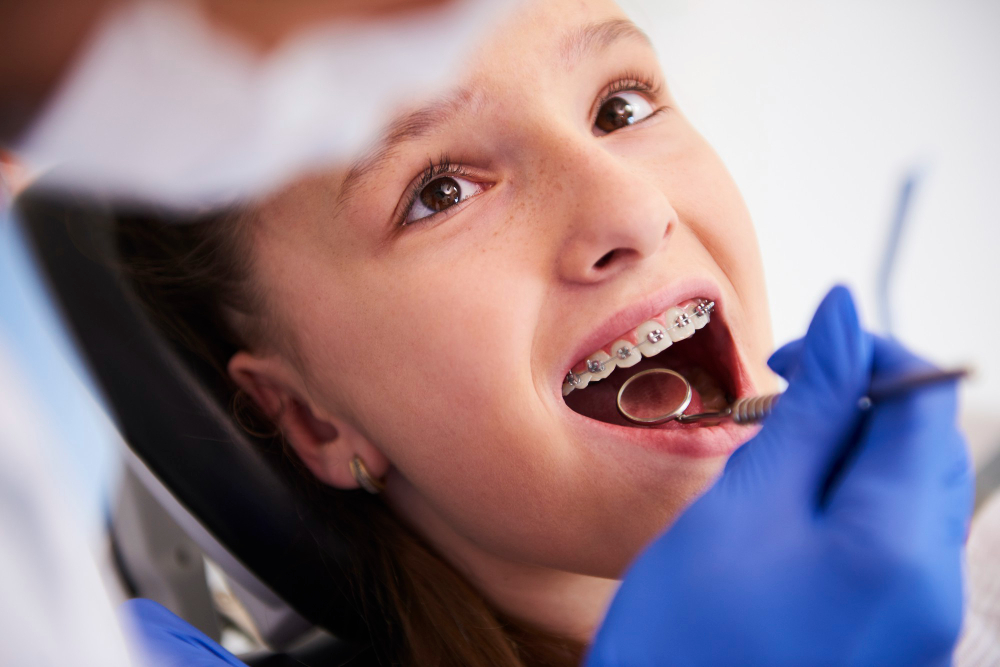
Orthodontic braces are special devices that help straighten teeth. They also fix bite problems and improve your smile. Many people, both kids and adults, choose orthodontic braces to get healthier teeth. In fact, braces can boost confidence and make cleaning your teeth easier. If you are thinking about orthodontic braces, it is important to know what to expect before getting started.
Who Needs Orthodontic Braces?
Not everyone needs braces, but many people can benefit from them. Usually, dentists or orthodontists suggest braces for people with:
Sometimes, adults also need orthodontic braces for adults to fix long-standing issues. Early treatment can prevent bigger problems later. If you notice any of these issues, it may be time to talk to a dental specialist.
Types of Orthodontic Braces
Today, there are many types of dental braces to choose from. Each type has its own benefits. Here are the most common options:
Each type has pros and cons. For example, metal braces are very effective, but clear aligners are easier to clean. Your orthodontist will help you pick the best option for your needs.
What to Expect Before Getting Braces
Before you get braces, you will have a few steps to follow. First, you will meet with an orthodontist for a consultation. During this visit, the doctor will:
After the exam, your orthodontist will talk about your treatment plan. They will explain which type of braces is best for you. Also, you will get braces preparation tips, like how to care for your teeth before the procedure. Sometimes, you may need to fix cavities or have teeth cleaned first. This helps prevent problems during treatment.
The Braces Procedure: Step-by-Step
Getting braces is a simple process. Here is what usually happens:
The whole process takes about one to two hours. Afterward, you may feel some pressure or soreness. This is normal and should go away in a few days.
Common Concerns and FAQs
Many people have questions about orthodontic braces. Here are some common concerns:
If you have more questions, your orthodontist can give you detailed answers.
Tips for a Smooth Start with Braces
Starting with braces can feel strange, but you can make it easier. Try these tips:
With these braces preparation tips, you can keep your teeth healthy and avoid problems.
Potential Risks and How to Minimize Them
While braces are safe, there are some risks. For example, you might get sore spots, tooth decay, or gum problems if you do not clean well. To lower these risks:
According to the American Association of Orthodontists, good care helps prevent most issues.
When to Consult Your Orthodontist
Sometimes, you may need extra help. Contact your orthodontist if you notice:
Prompt care can prevent bigger problems. Do not wait if you feel something is wrong.
Conclusion
Orthodontic braces can improve your smile, correct alignment, and boost your confidence—but it’s important to understand the process and what to expect before beginning treatment. Every smile is unique, and the right approach depends on your specific dental needs.
For the best results, consult Dr. Ramesh Babu Garikapati, who provides personalised orthodontic guidance and helps you choose the most suitable braces for your smile transformation.
Start your journey toward a beautifully aligned smile with expert care.